Hurricane Planning for Medical Needs, Seniors, and Disabilities
Power-dependent equipment, refrigerated medication, mobility limits, and dialysis schedules all need a plan made months in advance. Here is how to build one.
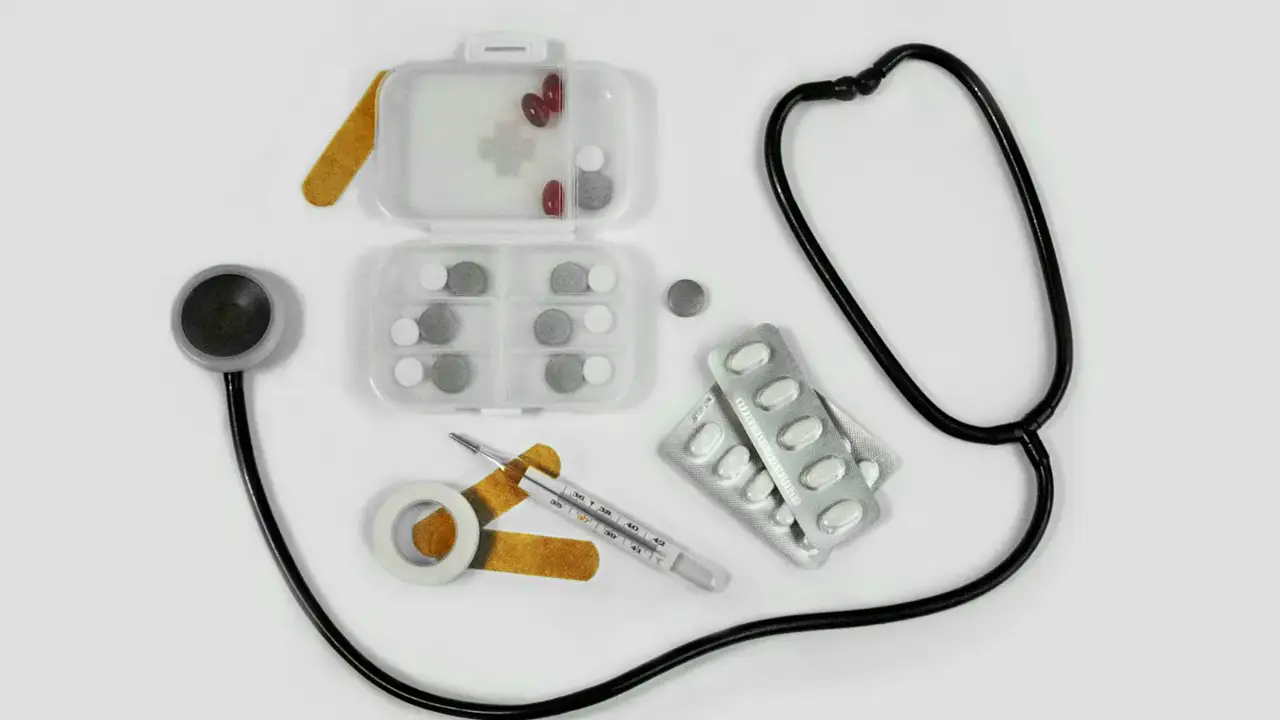
Photo via Unsplash
Affiliate disclosure. Links labeled “View on Amazon” are paid links. If you buy through them, we may earn a commission at no extra cost to you. We only link listings we have checked, and we do not publish star ratings. Read the full disclosure.
Gear that matches this guide
Swiss Safe 2-in-1 348 Pcs Large First Aid Kit (hard case + mini kit)
A large two-part kit covers the cuts, burns, and blister-pack basics you will not want to drive for after a storm.
Works in its favor
- Hard case plus a smaller kit you can move to the go-bag
- Hundreds of pieces, so you are not down to two bandages on day two
- Organized enough that someone else can find gauze in the dark
Know this first
- A consumer kit is not a trauma kit and does not include your prescriptions
- Check dates every season. Adhesive and medications age out
- The case is bulky for a one-night evacuation bag
Verdict. Keep the hard case at home and the mini kit in the car. Add your own prescriptions separately.
Photo via Unsplash. Scene photo, not a manufacturer product image.
View on AmazonSwiss Safe 200 Pcs First Aid Kit
A 200-piece kit is enough for a car or a one-person apartment when the large case feels like too much.
Works in its favor
- Covers the common cuts, scrapes, and over-the-counter basics
- Small enough for a closet shelf or a trunk
- Lower price than the two-part case
Know this first
- You will run out faster with more than two people
- Still not a substitute for a 14-day supply of prescription medication
- Contents vary by production run. Open it and look before you rely on it
Verdict. The right size for a car kit or a renter. Households of four should step up to the larger case.
Photo via Unsplash. Scene photo, not a manufacturer product image.
View on AmazonFor most households a hurricane is an expensive inconvenience. For a household that depends on an oxygen concentrator, a dialysis schedule, refrigerated insulin, or a power wheelchair, the same storm is a medical emergency that begins the moment the power fails. That difference has to be planned for in advance, because none of the necessary arrangements can be made in the 48 hours before landfall.
Register with your county now
Most coastal counties maintain a special needs or medical needs registry. Registration is free and typically requires a form signed by a physician. Being registered can provide:
- Access to a special needs shelter with medical staff and backup power
- Transportation assistance during evacuation for people who cannot drive or arrange a ride
- Priority information from emergency management
Registries usually close as a storm approaches and many require annual renewal. Do this at the start of hurricane season, not during it. Search for your county's name plus "special needs registry."
Separately, notify your electric utility if you have life-sustaining equipment. Being on the medical priority list does not guarantee faster restoration — utilities restore by circuit, not by household — but it can matter, and it costs nothing.
Medications
- Keep a 14 to 30 day supply. Ask your prescriber and pharmacy about emergency refill provisions. Many states allow early refills once a state of emergency is declared, and most insurers waive refill-too-soon rejections during declared emergencies.
- Carry a written list of every medication with dose, frequency, prescribing physician, and pharmacy — plus allergies, diagnoses, and devices. If you end up at a shelter or a strange emergency room, this list is what makes care possible.
- Refrigerated medications like insulin need a plan: an insulated medical cooler with gel packs, frozen bottles from the freezer, and knowledge of your specific product's tolerance for room-temperature storage. Manufacturers publish exact figures; look yours up and write it on the cooler.
- Keep everything in original labeled containers so pharmacies and clinicians can verify prescriptions.
Power-dependent equipment
List every device and the wattage it draws: oxygen concentrator, CPAP or BiPAP, nebulizer, ventilator, feeding pump, powered wheelchair or scooter, hospital bed, electric lift.
Then arrange redundancy for each:
- Battery backup. A lithium power station can run a CPAP for several nights or a concentrator for a number of hours. Size it to the device's watt-hours per night and buy above your estimate.
- Twelve-volt options. Many CPAP machines run from a car battery with the right adapter. Confirm this before the season and buy the adapter.
- Backup oxygen cylinders. Ask your supplier for extra tanks before the season begins; they run out during storms.
- A generator sized to the equipment, operated at least 20 feet from the house with the exhaust pointed away.
- Manual alternatives where they exist — a manual wheelchair, or a backup approach prescribed by your physician.
Dialysis, infusion, and scheduled treatment
Talk to your treatment center now and get written answers to three questions: what is the center's storm closure policy, which partner facilities will accept its patients, and what is the emergency diet protocol if a session is missed. Get the phone numbers for at least two alternate centers inland along your likely evacuation route, and confirm they accept your insurance.
Patients on dialysis should also have the renal emergency diet instructions on paper, because a missed session with a normal diet is dangerous.
Mobility and evacuation logistics
Evacuation takes longer for someone with mobility limitations, and the assistance available shrinks as the storm approaches. Plan to leave a full day earlier than a typical household.
- Identify accessible lodging in advance and confirm roll-in showers, elevators, and ground-floor rooms — plus what happens to elevators during a power outage.
- Arrange transportation in writing, whether through the county registry, a paratransit service, or family.
- Bring assistive equipment: spare glasses, hearing aid batteries, chargers for every device, transfer boards, and a manual backup chair.
- Service animals must be accommodated at public shelters. Bring vaccination records anyway.
Cognitive and sensory considerations
Storms are disorienting. For someone with dementia, autism, or a sensory processing condition, a crowded shelter with constant noise and unfamiliar routine can be significantly harder than the storm.
- Prefer staying with family in a quiet inland home over a general shelter when possible.
- Pack familiar comfort items, noise-cancelling headphones, and a printed daily routine.
- Use identification bracelets with name and contact information for anyone at risk of wandering.
- For deaf or hard-of-hearing household members, ensure a way to receive alerts visually — wireless emergency alerts on a phone, and a battery-powered alert device.
- For blind or low-vision members, walk the evacuation route and the destination in advance, and keep a tactile map of supply locations.
Build a support network
Name three people — at least one outside your area — who know your plan, your medical needs, and where you intend to go. Give each of them your medication list and your physician's contact information. Agree on a check-in schedule, and remember that text messages frequently get through when calls do not.
The medical go-bag
Separate from the household kit: two weeks of medication, the written medication and condition list, insurance and Medicare cards, physician contacts, device chargers and backup batteries, spare supplies (catheters, ostomy supplies, test strips, syringes), a cooler for refrigerated items, copies of advance directives and power of attorney, and a laminated card describing conditions and needs for first responders.
Make the plan while the sky is clear. Start with the free preparedness checklist and add the medical layer on top of it.
Continue reading

Hurricane Prep for Renters and Apartment Dwellers
You cannot install shutters or replace a roof, but the things that actually determine your outcome are mostly within your control. A renter-focused preparedness guide.

Preparing Kids and Pets for a Hurricane
Children and animals experience a storm as a loss of routine and control. Practical ways to reduce fear, keep everyone accounted for, and avoid the mistakes that separate families from their pets.
Building a Family Emergency Communication Plan
Cell networks fail exactly when you need them. How to build a communication plan that works when the towers are down and the family is scattered.